
As a sportsperson, it’s not just about what you eat to make sure you are fed. For athletes, food is about what you are consuming to be faster, train harder, and recover quicker. The food you consume becomes performance food.
Consuming the proper nutritional foods can assist with muscle development, injury prevention, and keeping you active. With the number of diets being pushed, simple confusion about what is good for you is easy to fall into.
This is where natural nutrition comes in. Natural nutrition allows the athlete to focus on eating whole foods such as fruit, vegetables, whole grains, lean proteins, and healthy fats to fuel their body, no powders or processed supplements. Eating clean and smart is not just a style of eating; it is a lifestyle that helps develop strength and stamina for the long haul. Let’s take a look at how natural easy simple real food can help athletes reach their potential.
Athletes need the right calories versus just calories. A desk worker can “squeak by” on a bag of chips and can eat “fake” food, but an athlete is in an energy deficit very quickly and needs food to help support situations of stress, endurance, strength and recovery.
The three macronutrients the athlete should not forget about are carbohydrates, proteins and good fats. Carbohydrates will provide instant replacement while practicing or playing competition. Proteins help the body replace muscle tissue after working out. Fats are an excellent fuel, being long burning fuel, plus supporting the brain and joints.
Athletes need to be consuming fruits and vegetables that are colorful and diverse. Many of those foods are full of vitamins, minerals, and antioxidants that may assist your body avoid maturation injuries and heal more quickly. If we think about our food choices this way, the better our foods are natural (and minimally processed), the better those foods will assist the body’s day to day tasks.
A mixture of brown rice, sweet potatoes, leafy greens, eggs, archaea, chicken, fish, assorted nuts, and blueberries can help enhance an athlete’s capacity to perform and feel well every day.
The timing of your food is just as important as what you eat! For athletes, the focus isn’t just on being nutrient-dense, but also on activating nutrient-dense foods at precise times! The timing of your meals and when to consume them affects your body’s energy supply during workouts, the speed of recovery afterward, and possibly prevents muscle loss for future workouts/activities.
This means that if training sessions or competitions are coming up, you will want to eat a meal containing complex carbohydrates and some protein around 2-3 hours prior to exercise. This will allow your body the proper opportunity to digest that meal and to use that food as energy. During exercise, it is appropriate to eat a small snack 30-60 minutes prior to exercise as well, for some quick energy. This snack could be a banana or a slice of toast with a small amount of peanut butter.
When you finish exercising, your body is a sponge! You’ll really want to consume a good mix of proteins and carbohydrates at this time, because your body for sure is looking to start repairing itself after the workout. An example of a good post-workout meal could be a smoothie made with Greek yogurt (with some fruit to taste), as well as a scoop of oats.
Superfoods may be a fashionable way of saying, “healthy foods”, yet there are some true, whole natural foods that are superfoods, because they are whole forms of food that are rich in nutrients, that are thought to aid recovery, produce energy, and reduce inflammation.
For instance, chia seeds and flax seeds are good sources of fiber and omega-3 fats, complete protein and slow-burning carbs can be found in quinoa, and berries (especially blueberries and strawberries) are loaded with antioxidants that likely alleviate muscle soreness.
Some other great superfoods to examine are beets to improve blood flow and endurance, dark leafy greens (spinach, kale, etc.) to provide iron and vitamins, and nuts (almonds, walnuts, etc.) that are a compact source of protein and healthy fats. None of these foods are fancy or expensive; they are just plain old whole, natural, effective foods. It’s likely that just adding a few of these foods into meals or even day to day could improve performance and your nutrition.
Nutrition isn’t a complete assessment; being hydrated is also key. Water is such a big factor when it comes to how your body functions. It aids in digestion, keeps your musculoskeletal system in motion, and helps in aiding muscle response. When you are dehydrated, your body fatigues faster, coordination diminishes, and recovery time is longer.
As an athlete, it’s not just making sure you are hydrating during practice or competitions; it’s daily consistent consumption of fluids prior to, during, and after all training sessions and competitions can be equally important. When you wait until you feel thirsty, it’s much of the time a great indicator that you are already dehydrated.
Hydration can also come from all your water-filled foods, such as cucumbers, oranges, melons, and leafy veggies. Coconut water is an excellent natural alternative to replace lost electrolytes post-exercise session, but plain water is still the best drink available.
In addition, if you find you sweat excessively, especially in warm weather, you might consider adding a pinch of sea salt to it, or eating foods with naturally occurring sodium and potassium after physically exerting yourself for a while to maintain control of your electrolyte levels. Hydration is not a one-and-done scenario; it should follow you like some of your teammates do, which means you feel weird when you don’t train or sleep.
In the end, what you fuel your body with can make or break your performance. There’s a reason natural, whole foods give your body the energy, strength, and resilience to continue to perform well and keep pushing forward!
Ideal nutrition encompasses everything from meal timing to choosing your superfoods, to hydration, and is about much more than calorie counting and macros counting; it’s about intentionally making smart and simple food choices that promote and enhance your active lifestyle. Once you shift the way you think about food from energy and sustenance, your confidence and of course performance will increase significantly!
And of course, nutrition is one part of the formula. To realize your full ability to perform, you need professional coaches, guided programs, and community support! Ignite Fitness is here for you! We work with athletes offering world-class strength, mobility, and endurance programming that promotes education, awareness, and development as an athlete naturally and effectively.
Are you ready to fuel your performance promotion and nutrition the right way? Visit our website today.
What should athletes eat before and after a workout?
Before a workout, athletes should focus on eating complex carbs and a little protein about 2–3 hours in advance, something like brown rice with chicken or oatmeal with fruit. A light snack like a banana or toast with peanut butter 30–60 minutes before can also help. After a workout, it’s important to refuel with a mix of carbs and protein, such as a smoothie with yogurt and berries or grilled chicken with rice, to support muscle recovery and restore energy.
Are natural foods really enough for athletic performance, or do I need supplements?
In most cases, natural whole foods can provide everything your body needs to perform and recover effectively. Foods like fruits, vegetables, lean proteins, nuts, seeds, and whole grains are full of essential nutrients. Unless a doctor or nutritionist recommends supplements for a specific reason (like a deficiency), whole foods are the safest and most effective way to fuel your performance.
How can Ignite Fitness help me improve my strength and endurance?
Ignite Fitness offers professional training programs built around real results. Whether you’re focused on building strength, boosting endurance, or improving mobility, our world-class workouts are designed to fit your goals and support your journey. Pairing smart nutrition with Ignite Fitness training is a great way to level up your performance naturally.

Subscribe to get our latest posts sent straight to your inbox.
Blog
If you have ever searched how to tone your body, you have been handed the same advice a thousand times: light weights, high reps, lots of cardio, and something vague

Most people frame this as a fight: online coaching vs gym membership, pick a side. That is the wrong question, and it is why so many people end up spending
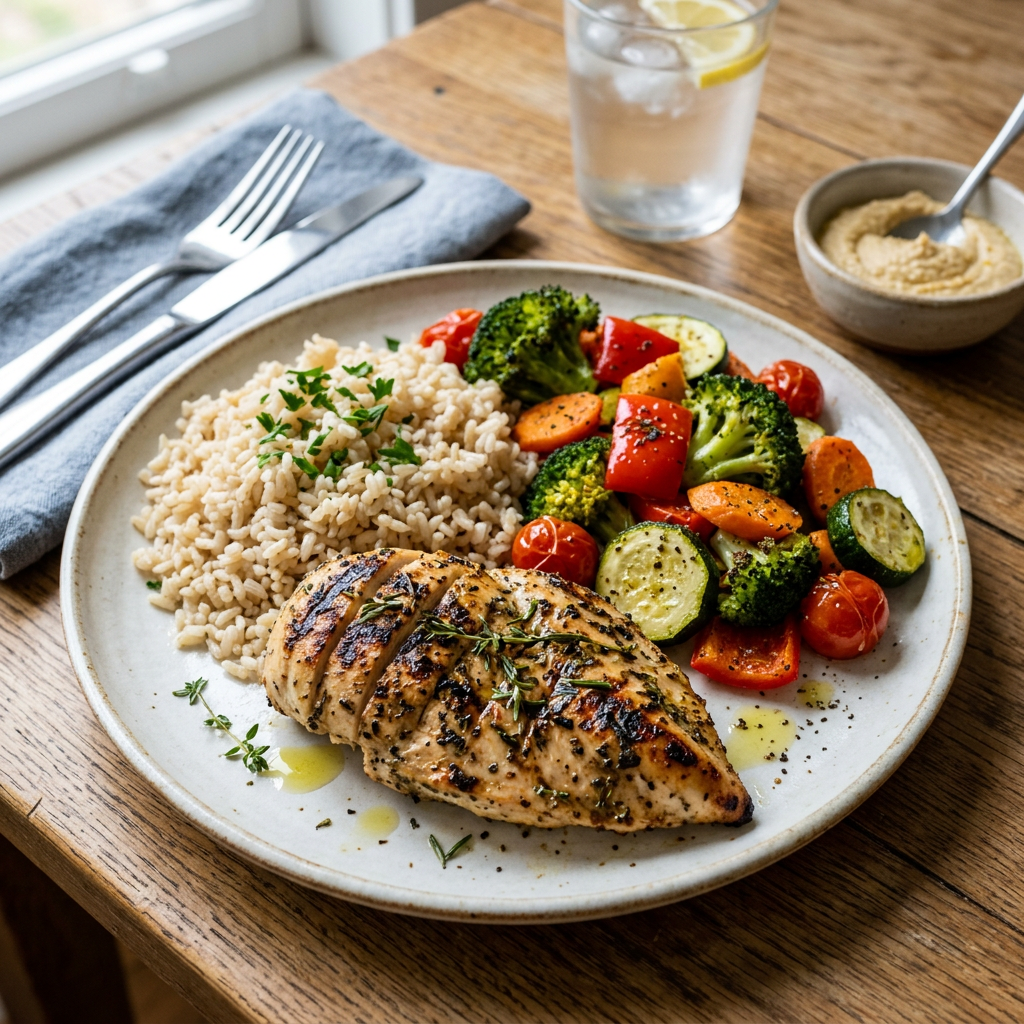
After 25 years of coaching, this is the question I get more than any other: how many calories to lose fat? People want a magic number, and I understand why.